
OCEANS Personality Navigator Foundations Course
What is OCEANS?
Openness to Experience
Conscientiousness
Extraversion

Amicable

Need for Stability
Sincerity
Course promise
Understand Your Profile
Understand their OCEANS profile safely and practically.
Strengths and Blind Spots
Identify personal strengths, blind spots and behavioural patterns.
Apply at Work
Apply personality insight to real workplace situations.
Improve Relationships
Improve communication, trust and working relationships.
Contribute in Teams
Contribute more effectively in teams.
Lead and Follow
Adapt leadership and followership behaviours to context.
Respond to AI Change
Understand personal reactions to AI and future-of-work change.
Plan Development
Create a focused personal development plan.
Sustain Growth
Use OCEANS as a self-coaching tool for sustained growth.
The OCEANS Learning Pathway
Introduction & Assessment
Begin your OCEANS journey by learning what personality is, why it matters at work and how to approach the OCEANS survey with the right expectations. Learners are introduced to personality, identity, reputation, the OCEANS model and the survey process.
- Explain what personality is and why it matters at work.
- Recognise identity and reputation as complementary perspectives.
- Complete the OCEANS survey with appropriate expectations.
Understanding Your OCEANS Profile
Learn how to read your personal OCEANS results with care and confidence. This course helps learners interpret factor scores, understand facet-level nuance and prepare meaningful questions for feedback or self-reflection.
- Read factor and facet results.
- Identify likely strengths, blind spots and watch-outs.
- Prepare for personal reflection or feedback coaching.
Applying OCEANS at Work
Translate OCEANS insight into everyday workplace behaviour. This course helps learners connect their profile to work style, role demands and practical action planning.
- Connect OCEANS to work style and role expectations.
- Understand the difference between “will-do” and “can-do” behaviour.
- Create an action plan for one work priority.
OCEANS in Action: Behaviour & Performance
Move beyond individual factor scores and explore how combinations of personality patterns shape behaviour and performance. Learners practise recognising behavioural patterns under normal and pressured conditions.
- Interpret factor combinations rather than isolated scales.
- Recognise behaviour patterns in different workplace contexts.
- Select one behaviour experiment to test at work.
Personality in Working Relationships
Use OCEANS to understand how personality differences influence communication, trust, conflict and collaboration. This course supports more respectful and practical adaptation in working relationships.
- Describe how personality shapes communication and trust.
- Recognise sources of friction and complementarity.
- Choose strategies for adapting respectfully to others.
Teams & Collaboration
Apply OCEANS to team dynamics, collaboration and psychological safety. Learners explore how different personality patterns can create team strengths, risks, duplication and gaps.
- Identify team strengths and risks using personality patterns.
- Recognise complementarity, duplication and gaps.
- Use OCEANS to improve collaboration and team norms.
Leadership & Followership
Explore how personality shapes both leadership and followership. This course helps learners understand influence, authority, decision-making, trust and active contribution.
- Recognise how personality shapes leadership style.
- Understand followership as active contribution.
- Adapt leadership and followership behaviours to context.
My OCEANS and AI: Responding to Change
Understand your personal reactions to AI-enabled change and the future of work. Learners explore how personality may influence experimentation, uncertainty, governance and adaptation.
- Recognise likely reactions to AI through OCEANS factors.
- Identify risks of avoidance, over-adoption or rigidity.
- Build a flexible response plan for AI-enabled work.
Personal Development with OCEANS
Convert OCEANS insight into measurable development goals. This course helps learners choose development priorities that are grounded in role needs and supported by practical behaviour goals.
- Select development priorities based on your role and context.
- Use strengths strategically without overusing them.
- Define behaviour goals and support mechanisms.
Coaching Yourself with OCEANS
Use OCEANS as a self-coaching framework for sustained growth. Learners build reflection loops, identify triggers and habits, and practise asking better self-coaching questions.
- Ask better self-coaching questions using OCEANS.
- Recognise triggers, habits and recurring patterns.
- Use reflection loops to adjust behaviour over time.
Who is this series for?
Professionals
For professionals who want deeper self-awareness and a clearer understanding of how they think, relate, respond and contribute at work.
Employees in Development
For employees preparing for development, coaching or career conversations with stronger insight into their strengths and watch-outs.
Leaders & Emerging Leaders
For leaders and emerging leaders who want to understand their leadership style and adapt their approach to different contexts.
Teams
For teams seeking better collaboration, communication, trust and a more practical understanding of personality differences.
Organisations
For organisations building scalable development journeys that connect assessment, learning, coaching and workplace application.
HR, L&D & Talent Teams
For HR, L&D and talent teams supporting workplace growth, leadership development and enterprise learning pathways.
What makes this journey different?
Insight that moves into action
OCEANS is designed to help learners understand their profile, connect it to real workplace situations and choose practical behaviours they can apply immediately.
Practical, not theoretical
The series helps learners turn personality insight into workplace behaviour, decisions and action.
Development-focused
OCEANS is positioned as a growth tool, not a fixed label. Learners explore tendencies, strengths and blind spots without limiting their potential.
Work-relevant
The journey connects personality insight to relationships, performance, teams, leadership, AI change and personal development.
Scalable for organisations
The OCEANS architecture combines assessment, e-learning, coaching, team development and practitioner capability building.
Learning Experience
Short e-learning modules
Bite-sized digital lessons that introduce key OCEANS concepts in a clear, accessible format.
Reflection questions
Guided prompts that help learners connect personality insight to their own work experiences.
Knowledge checks and quizzes
Quick checks that reinforce learning, confirm understanding and support learner confidence.
Workplace scenarios
Realistic workplace examples that show how personality patterns can appear in practice.
Profile interpretation activities
Practical activities that help learners read factor and facet patterns safely and meaningfully.
Action planning templates
Structured tools that help learners translate insight into clear development actions.
Behaviour experiments
Small, practical experiments that encourage learners to test new behaviours at work.
Optional feedback coaching
Personalised coaching conversations for learners who want deeper interpretation and support.
Downloadable worksheets and development plans
Ready-to-use resources that support reflection, planning and sustained development beyond the module.
Recommended learning journey
Discover
Complete OC01 and take the OCEANS survey.
Understand
Complete OC02 to interpret your factor and facet results.
Apply
Use OC03 and OC04 to connect your profile to workplace behaviour.
Relate and collaborate
Use OC05 and OC06 to improve working relationships and team contribution.
Lead and adapt
Use OC07 and OC08 to understand leadership, followership and AI-enabled change.
Grow
Use OC09 and OC10 to create goals and practise self-coaching.
Personalise
Book OCX for a feedback coaching and mentoring conversation.
Patrick Jones
-
Resources
-
Insights
-
Partners
-
Success Stories

Richard’s client work spans the public and private sectors across the GCC and ASEAN. He has designed and led multi‑method leadership programs, combining competency‑based interviews, multi‑source feedback, business simulations, and Hogan personality & reasoning assessment. Mentis programs emphasize measurable business outcomes, capability uplift, and the creation of collaborative learning cohorts supported by mentoring and feedback. Mentis has supported hundreds of multinational companies, NGOs, and regional entities in the GCC with talent evaluation and development programs.
Richard is a trained and certified coach, Situational Leadership® certified practitioner and highly experienced coach and mentor for specialists and leadership navigating career transitions and promotions.
A Chartered Occupational Psychologist (HCPC‑registered; BPS Chartered), Richard has trained and certified thousands of practitioners in personality assessment and evidence‑based talent practices. He is Hogan‑certified (HPI, HDS, MVPI; advanced interpretation) and experienced facilitator multisource feedback. He has partnered as adjunct faculty or facilitator with leading business schools including London Business School, Oxford Saïd, IMD, and Thunderbird.
Richard’s academic work focuses on psychological flexibility (ACT/fACT) and social‑emotional learning at work. As a doctoral researcher at Goldsmiths, University of London (Institute of Management Studies), he is conducting mixed‑methods research exploring how psychological flexibility relates to quality of working life, values‑based action, and leadership development, integrating RCTs, systematic reviews (PRISMA‑aligned). These insights inform Mentis Navigator product design and coaching‑at‑scale methodologies.
Beyond assessment, Richard champions competency development as an organizational capability. He designs journeys that help leaders optimize strengths and neutralize derailers, blending focused practice, mentoring feedback, and network‑centric development through SONAR. His coaching draws on Acceptance & Commitment Training (fACT), compassion‑focused approaches, and solution‑focused models aligned to EMCC/ICF standards, translating science into practical behavior change.
Richard divides his time between product strategy, client advisory, and research, with a growing emphasis on thought leadership and practitioner accreditation through Mentis Academy. He is committed to building an inclusive, data‑literate coaching community across ASEAN and the GCC and to advancing prosocial, values‑based leadershi true to the Mentis promise: Nurture Talent™.
Professional Profile
What I Do - Design and lead multi‑method leadership evaluation & development programs - Build data‑rich learning journeys that integrate assessment, mentoring, and practice - Advise boards and CHROs on successor pipelines, capability models, and cohort scaling
Domains - Talent Evaluation & Insight • Competency Frameworks • Multi‑source Feedback (90/180/360) • Business Simulations • Personality & Reasoning Assessment • Social‑Emotional Learning • Network‑centric Development • Coaching at Scale
Signature Programs & Systems
- Mentis Navigator™ Ecosystem:
- OCEANS Personality Navigator (trait profiledevelopment narratives, strengths/risks)
- Competency Navigator 90/180/360 (multisource feedback with Observed‑Interpretive reporting)
- SONAR Network Centrality (mapping collaborative influence and learning networks)
- BRAVO Social‑Emotional Compass (SEL insights for professionals)
- Career Anchors (career drivers and development alignment)
- Learning Journeys: Cohort‑based development with mentoring & focused ACT‑informed practice
- Assessment & Development Centers: Competency‑based interviews, simulations, reasoning tests, and personality profiling for integrated, powerful insights and individual development planning.
Accreditations & Professional Standards
- Chartered Occupational Psychologist (HCPC‑registered – Board Certified; BPS Chartered). BPS RQTU Qualified Assessor.
- Hogan Assessments: HPI, HDS, MVPI; Advanced Interpretation Facilitator (2003 to 2020.
- Multi‑source feedback systems (90/180/360-degree feedback) and competency‑based interviewing and development planning
Speaking & Teaching
- Psychological flexibility & prosocial leadership
- Competency‑based assessment and
- Observed‑Interpretive reporting
- Scaling mentoring and cohort‑based learning with data
- Navigating derailers and decision‑making under uncertainty

Haris Ali Akbar
Before moving into assessment, Haris spent over five years in learning and development, specializing in soft skills such as leadership, innovation, and communication. His extensive experience designing capability programs and facilitating corporate development and innovation initiatives gives him a developmental lens in assessment work, enabling sharp identification of both strengths and growth opportunities.
Haris is also a professional coach who has achieved ICF Associate Certified Coach (ACC) level, supporting individuals in leadership, career development, and corporate innovation contexts. He is also a candidate for a Master’s in Applied Human Resource Psychology at the University of Indonesia, where his research explores the intersection of personality and learning behavior in the workplace to bridge psychological science and organizational practice.

Myles Empacis
Lorem Ipsum is simply dummy text of the printing and typesetting industry. Lorem Ipsum has been the industry's standard dummy text ever since the 1500s, when an unknown printer took a galley of type and scrambled it to make a type specimen book. It has survived not only five centuries, but also the leap into electronic typesetting, remaining essentially unchanged. It was popularised in the 1960s with the release of Letraset sheets containing Lorem Ipsum passages, and more recently with desktop publishing software like Aldus PageMaker including versions of Lorem Ipsum.
Are you sure you want to sign out?
log in
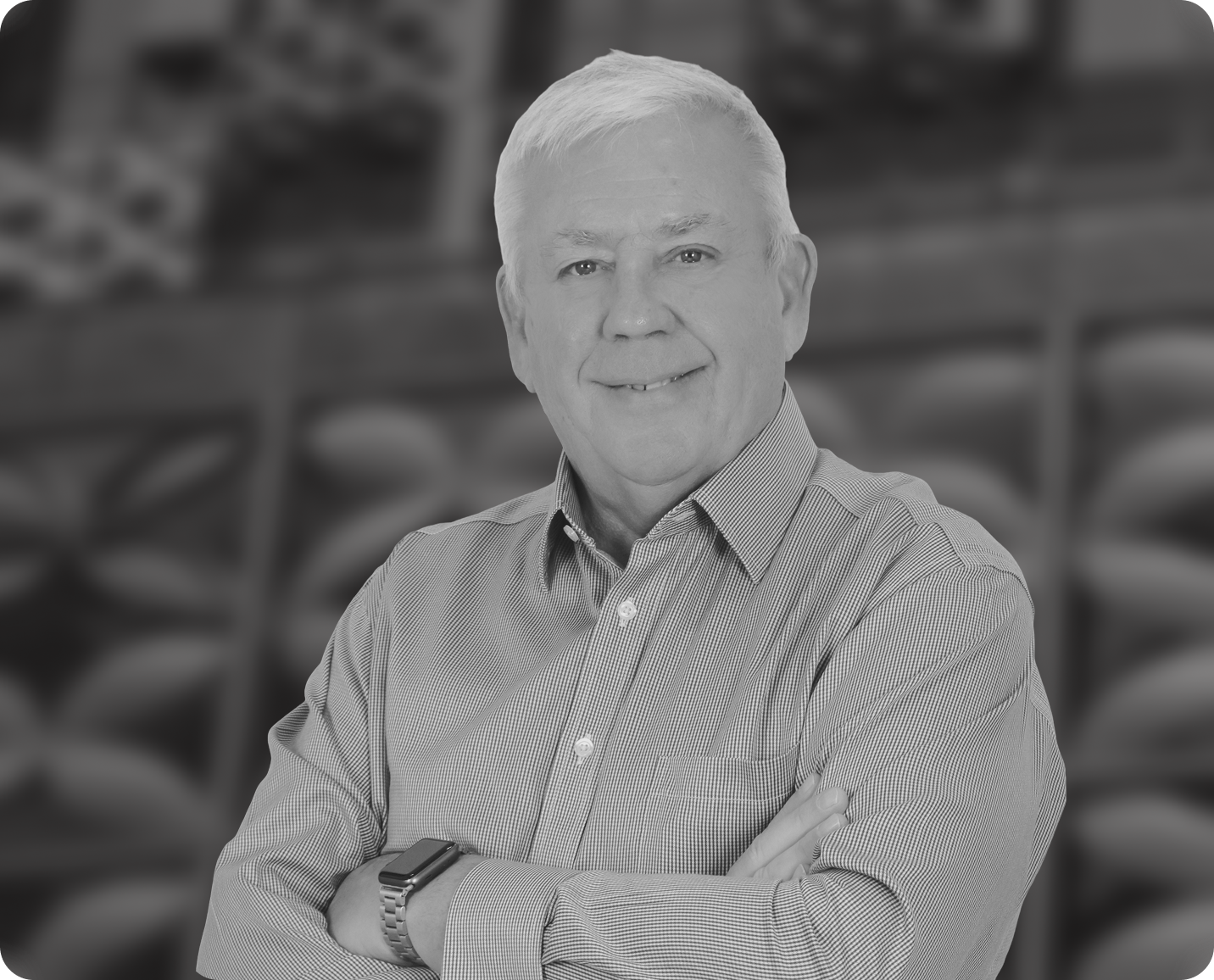
Richard is a Principal Consultant at Mentis (since February 2023), where he leads talent evaluation, survey methodologies, and leadership development initiatives. He implements Mentis talent profiling and development solutions to enhance leadership and specialist interpersonal, and self-awareness and utilizes Competency Navigator to align recruitment, performance management, and succession planning with business strategy. His work ensures that talent development efforts drive long-term organizational success through data-driven insights and structured development programs.
In addition to his role at Mentis, Richard holds several consulting, training, and development roles, contributing his expertise across global organizations:
- Project Director / Lead Consultant / Trainer / Mentor, Senex Consulting (2005 – Present)
- Senior Consultant, Faze 3 Consulting (2022 – Present)
- Partner, Konsälidön (2019 – Present)
- Trainer, Mercuri International Group (2005 – Present)
Across these roles, Richard advises businesses on leadership development, cultural transformation, customer experience strategies, and operational improvements, delivering customized training programs and mentoring executives in strategic growth and change management.
Previously, Richard held key executive positions, including:
Managing Director, Phonetics (UK) Ltd (2003-2005)
Group IT & Operations Director, Hoseasons Holidays Group (1979-2003)
His substantial experience in business strategy, customer service excellence, and digital transformation has made him a trusted advisor in optimizing talent, operations, and leadership effectiveness on a global scale.
Business Experience
Richard’s extensive consulting and leadership experience covers a range of industries and international markets. He has successfully designed and delivered customer service strategies, executive coaching programs, cultural transformation projects, and IT system integrations for a wide range of clients.
His key consulting projects include:
- Muscat, Oman: Led sales and soft-skills training programs for a major regional bank in compliance with regulatory standards.
- Dubai, UAE: Designed and implemented management development training programs, providing follow-up mentoring for emerging leaders.
- Newport, UK: Developed a Customer Contact Strategy for a FinTech company, integrating CRM, IVR, and outbound dialers to improve operational efficiency.
- Urfa, Turkey: Conducted IT due diligence for a venture capital firm investing in an outsourced financial services contact center.
- Salalah, Oman: Managed the setup of a multi-channel customer service function, sourcing software solutions and leading training initiatives.
- Bristol, UK: Optimized contact center operations for a financial services company, improving customer satisfaction and reducing costs.
Qualifications, Certifications
- BSc in Computer Science & Business Management
- MA in Coaching & Mentoring
- PRINCE2, Agile & Six Sigma
- Certified in GDPR and Sharia compliance
- Expert in workforce management, CRM solutions, and contact center technology
- Advanced knowledge of process improvements and business strategy implementation
Richard has 30+ years of experience in leadership development and executive mentoring, specializing in aligning people development programs with business objectives.
Personal Philosophy"I believe that success in business transformation is achieved through people. Effective leadership is about fostering the right culture, developing talent, and aligning business strategy with employee engagement. Whether it’s driving customer service excellence, coaching executives, or implementing large-scale business change, I am committed to helping organizations achieve sustainable growth through strategic leadership, process optimization, and people development."
Other Interests Richard is an active mentor and advisor who enjoys contributing to leadership and business transformation discussions. When he is not consulting or training, he spends time traveling, engaging in business networking, and staying updated on the latest trends in technology and digital transformation.
Wafa Disi
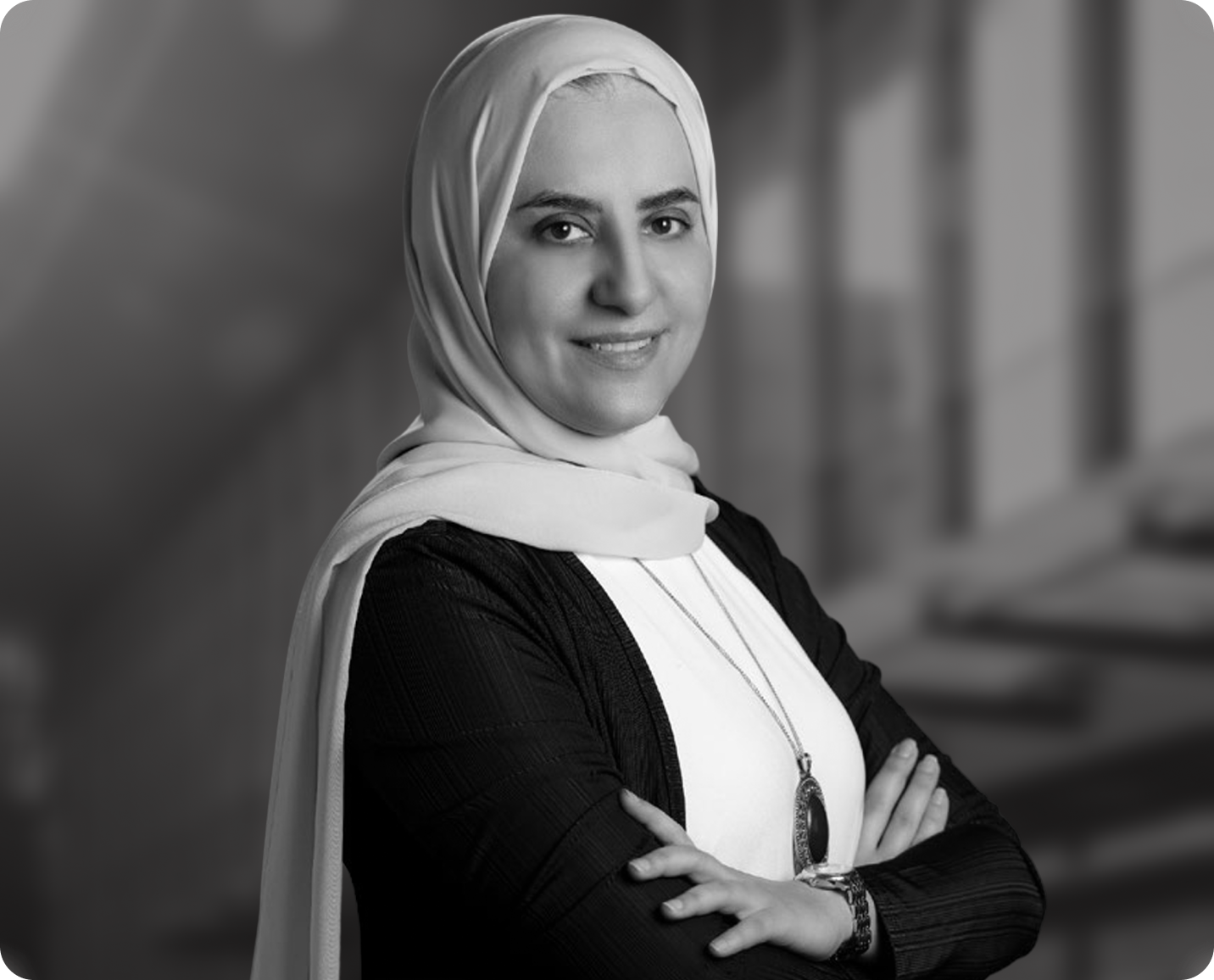
Wafa has been coaching since 2015, working with individual professionals from different hierarchical levels (Juniors up to Executives) and various industries; to improve their effectiveness at work by helping them understand and develop how they take up a role, its authority, responsibilities, accountabilities, challenges, and relationships. Wafa has a genuine interest in working closely with the Youth, supporting them in their personal and professional development as they navigate their career paths with confidence and clarity. As a Coach, she is passionate about improving self-awareness among professionals and encouraging self-acknowledgment and self-responsibility. Wafa also aims, through her coaching, to help improve team dynamics and relationships within an organisation.
Her portfolio includes working on leadership development,talent management, and Emiratizationprojects for prominent government, semi-government, and private organisations in UAE and Saudi such as (ADNOC, ENOC, ADSG, DoE, FAB, MOCAF, MOFA, DIB, DCT, DWTC, Dubai TEC, SAUDIA Airlines, REGA, Mobily, GASTAT, Tawuniya, and others) in collaboration with various consultancies in the region such as (The Talent Enterprise TTE, Talogy, Mentis, Knowledge Group, Front Talent, Taaeen and others).
Wafa was born and raised in Abu Dhabi, lived and worked there since. The city holds a special place in her heart, and she has always felt strong ties to the UAE community and always aims to give back through her work developing and empowering Emaraties. She is an active volunteer at the UAE volunteering platform and has taken part in several initiatives, such as the Special Olympics and the national initiative (Together we are good), to help overcome the Covid-19 impact.
Wafa has over 22 years of industry experience inHR managementand leadership development. Wafa's previous experience includes roles leadingHR functions, corporate and leadership development, and international HR projects. Throughout her years ofcorporate experience, she successfully led and took vital roles in the design and implementation of several key projects in areas such asOrganizational Structureand Development, Leadership Development,Employee Engagement,Career Development,Succession Planning, Talent Management, Performance Management, and Emiratization.
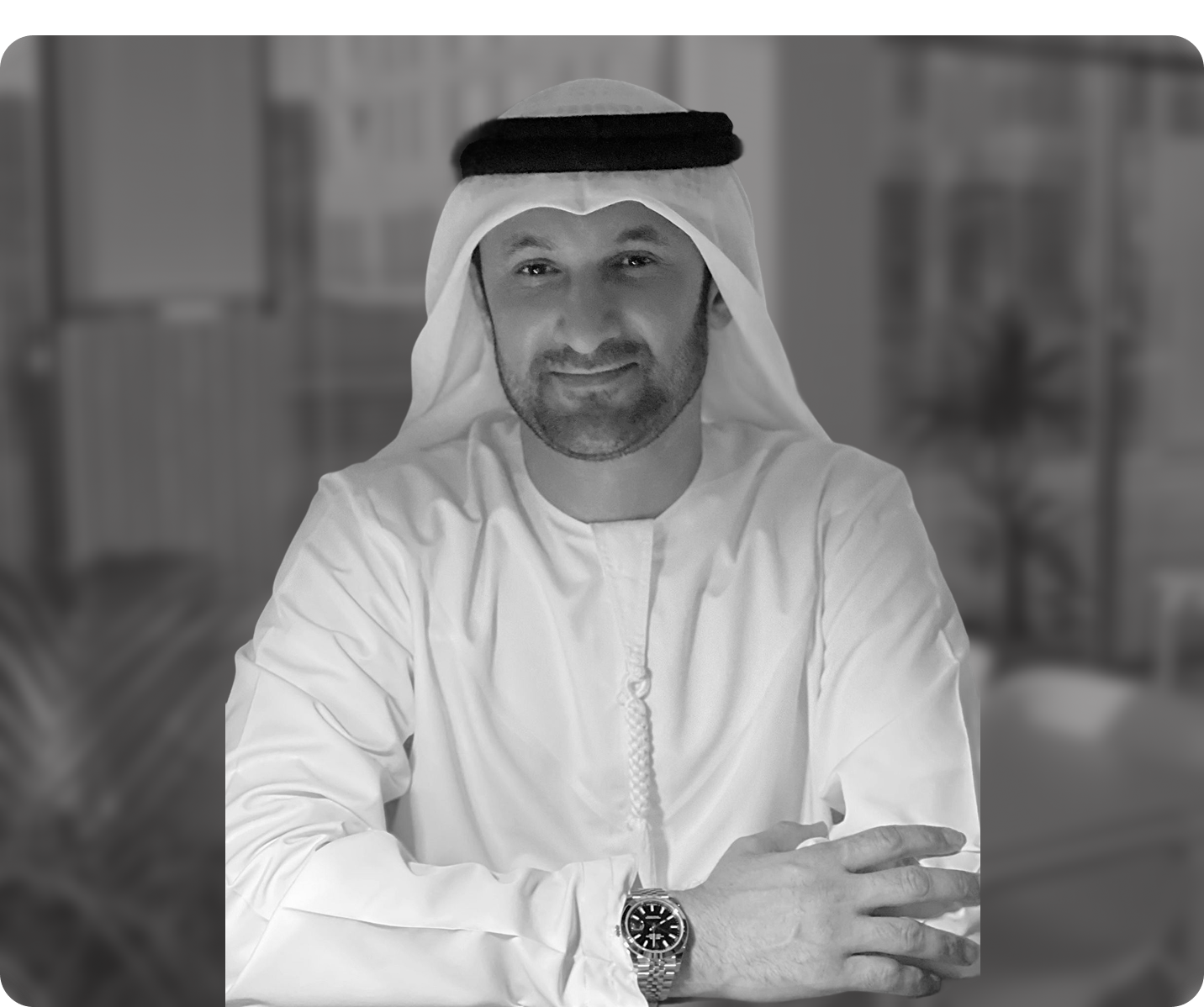
Ahmed Alqaseer
Earlier in his career, Ahmed served in the Sharjah Police, rising through the ranks to Colonel. Across operational and leadership postings, he led multidisciplinary units, developed officers, and introduced process improvements that enhanced service quality and community outcomes. This frontline-to-boardroom perspective now informs his advisory work—particularly in leadership pipelines, workforce capability, and governance.
Education
Doctorate in Business Administration (DBA), University of Derby, United Kingdom — in progress
Ahmed is currently completing a DBA at the University of Derby, focusing on evidence-based management and the application of practitioner research to organizational performance. His doctoral work strengthens his capability to translate rigorous inquiry into actionable people strategy—spanning leadership development, performance management, and culture change—while evaluating interventions for measurable impact and sustainability.
Certifications & Professional Training
- Hogan Assessments (Advanced Practitioner): Advanced training in the interpretation and administration of Hogan Personality Profiles (HPI, HDS, MVPI), including workshops led by Dr. Robert Hogan in the United States.
- Mentis Navigator Suite: Certified in Mentis assessment and development tools and systems (e.g., Competency Navigator 90/180/360, OCEANS Personality Navigator, SONAR network analytics), applying these to end-to-end evaluation and leadership development programs.
Areas of Expertise
- Leadership assessment & development (competency frameworks, 90/180/360 feedback)
- Talent strategy & workforce planning
- Organizational design, governance & operating model change
- Learning journeys, coaching, and mentoring for emerging and senior leaders
- Stakeholder engagement, community partnership, and public-sector transformation
Professional Highlights
- Director-level advisory across UAE organizations in government, infrastructure, and services
- Command-level leadership experience (Colonel) in Sharjah Police
- Bilingual communicator (Arabic/English) with strong cross-cultural fluency

Bruce Hancock
Originally from New Zealand, Bruce brings over 30 years of international experience spanning Asia, Australia, the Middle East, and Europe. His career includes senior leadership roles such as Director of Health and Wellness at Chiva-Som International Health Resort and Director positions at Banyan Resort and Asian Oasis. He partners with leaders and teams to design transformative experiences that enhance strategic outcomes, build high-performing cultures, and strengthen executive presence.
Bruce’s consulting approach blends applied psychology, experiential facilitation, and performance coaching, often leveraging storytelling and improvisation techniques to deepen engagement and behavioral change. His clients include Saudia Airlines, Mobily, Daman Health, the Qi Group, Nawal, Banyan Resort, and leading regional universities. Additionally, he founded Naruna, a platform delivering bespoke leadership retreats for leaders seeking clarity, purpose, and lasting impact.
Areas of Expertise
- Leadership & Executive Coaching: Individual and team interventions fostering authentic leadership, accountability, and psychological flexibility.
- Feedback & Development Journeys: Integrates OCEANS, Hogan, and Mentis tools to translate insights into measurable growth.
- Culture & Engagement: Aligns leadership behaviors with organizational values through workshops, retreats, and blended learning programs.
- Psychological Safety & Wellbeing: Promotes resilience, trust, and emotional intelligence in leadership teams.
- Cross-Cultural Facilitation: Applies global experience to help diverse teams collaborate effectively.
Approach & Philosophy
Professional Certifications
- Marshall Goldsmith Certified Executive Coach
- Hogan Assessments Certified Practitioner
- Deeper Signals Assessment Certified Practitioner
- Mentis Certified Practitioner – OCEANS Personality Navigator & Competency Navigator Multisource Feedback
- Certified Facilitator and Trainer – Passion Mapping & Values-Based Leadership
Certifications & Credentials
- Marshall Goldsmith Certified Coach
- Performance Psychology Practitioner (Applied Coaching & Development)
- Hogan Assessments Certified Practitioner
- Mentis Certified Practitioner – OCEANS Personality Navigator & Competency Navigator
- Facilitator – Passion Mapping and Values-Based Leadership